ServicesDrywall Finishing
Drywall Finishing in Union City, NJ
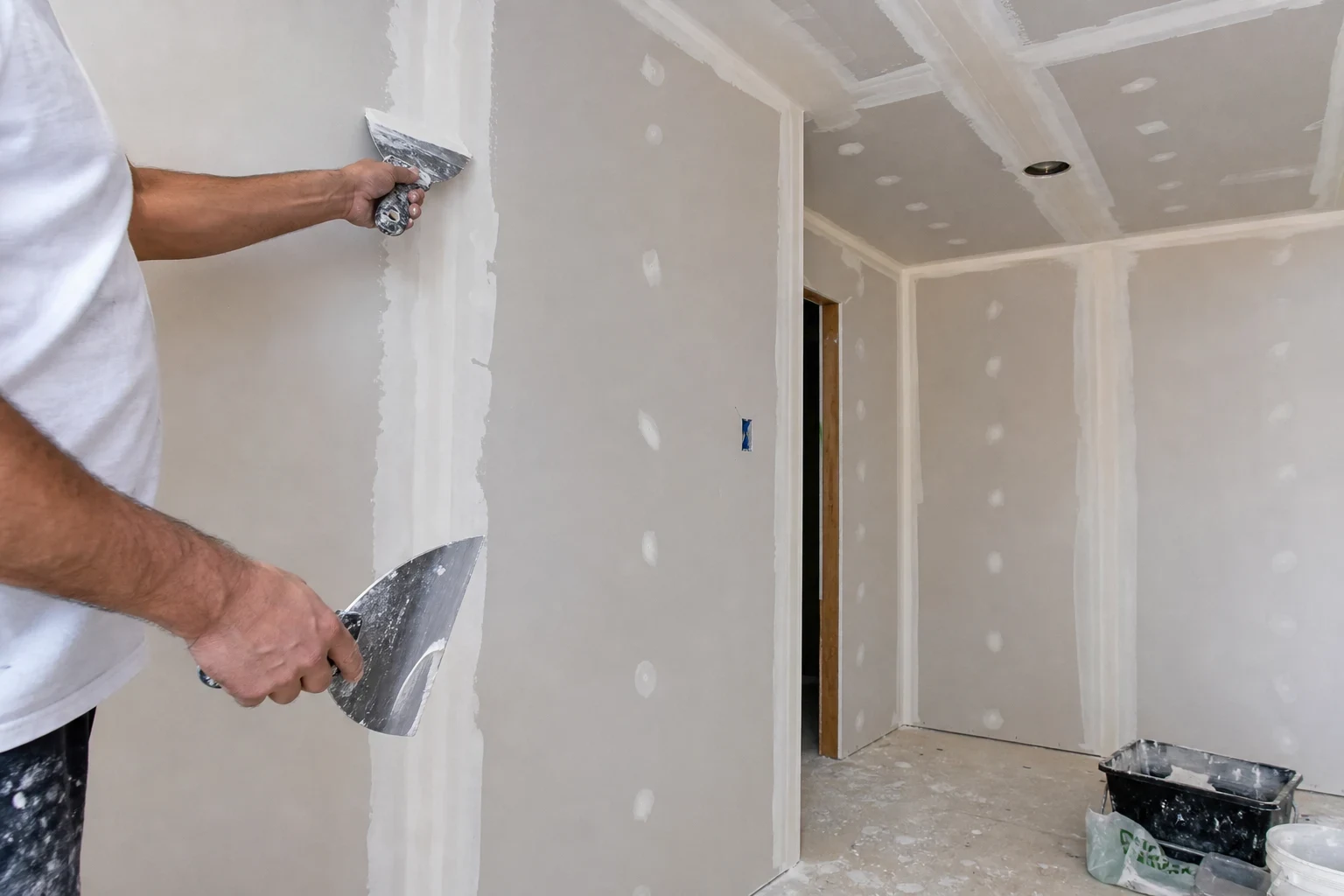
Hung drywall is only half a wall. We tape the seams, build up thin coats of compound, feather every edge and sand until the surface reads as one smooth plane. You get walls and ceilings ready for paint, with no tape lines or screw dimples showing through.
What finishing does, and when you need it
Finishing is the slow, patient part of drywall work. Every joint between sheets gets paper or mesh tape bedded in compound, then two or three wider coats that taper out so the seam vanishes. Screw heads are spotted, outside corners get metal or paper-faced bead, and inside corners are taped and shaped so they stay straight.
You need it after new drywall is hung, after a larger repair, or when earlier finishing was rushed and the seams show through the paint. We work the same way in a single room or a full renovation. Each coat dries fully before the next one goes on, because compound that is covered while still damp tends to shrink and crack later.
If the board itself still needs to go up, our drywall hanging page explains that stage. Finishing picks up right where hanging ends.
What our drywall finishing includes
- 01
Taping every joint
We bed tape in compound along flat seams and butt joints, pressing out air so it will not blister or lift. Butt joints get extra width, since they have no tapered edge to hide in.
- 02
Corner bead and inside corners
Outside corners get bead set straight and true, then coated. Inside corners are taped and finished with a corner tool so the line stays crisp where wall meets wall or ceiling.
- 03
Fill and finish coats
Each seam gets a fill coat and a wider finish coat, feathered several inches past the joint. Screw heads are coated three times so they do not ghost through the paint.
- 04
Skim coating when it is called for
Walls that will be lit from the side or painted in a sheen can show every small flaw. A thin skim over the whole surface evens out the texture of paper and compound for a smoother result.
- 05
Sanding and inspection
We sand with fine paper and check every seam with a work light held low against the wall. Anything that casts a shadow gets another pass before we call it done.
- 06
Texture matching
Where new work meets an existing textured wall or ceiling, we match the pattern so the two areas read as one surface.
Questions about Drywall Finishing?
Call(201) 740-1898Signs your walls need proper finishing
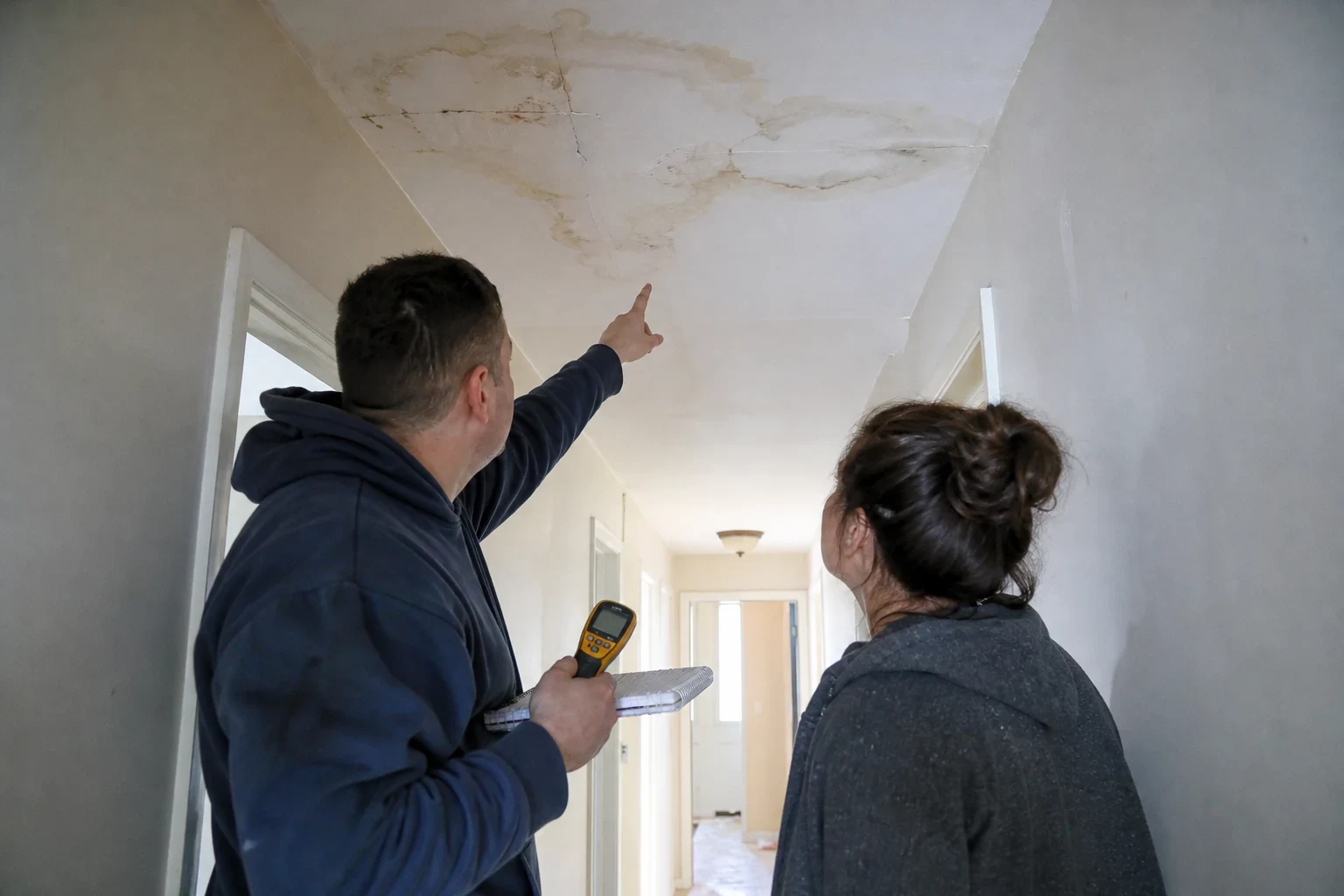
Tape lines show after painting
Straight stripes or raised ridges along seams mean the joints were not built up and feathered wide enough.
Screw heads dimpling through
Small round dents or bumps in a grid pattern point to screws that were under-coated or set too deep.
Cracks along corners
Hairline cracks at inside corners often come from tape that was never fully bedded. It tends to get worse as the seasons change and the framing moves a little.
Patchy sheen on the paint
When paint looks dull over seams and glossy elsewhere, the compound was not sealed or sanded evenly. A fresh coat of paint alone will not fix it.
Bare board after a renovation
If someone hung the sheets and left, the walls are waiting on taping and finishing before anything else can happen.
How a finishing job runs
- 1
A walk-through and a clear plan
We look at the board, the seams and the light in the room, then explain how smooth a finish makes sense for how you will use the space. You hear the number of visits and the drying time before we start.
- 2
Protecting the room
Floors are covered, doorways are sealed with plastic, and vents in the work area are closed off. In older Union City buildings with shared hallways, we keep our materials and dust inside your unit.
- 3
Tape, then coat by coat
Taping comes first, followed by fill and finish coats. We let each one dry properly, which usually means returning on separate days rather than rushing the job into one.
- 4
Sanding and a close look
We sand, wipe down and inspect under a low work light. Any shadow or ridge gets touched up before the surface is ready for primer and paint.
- 5
Cleanup before we leave
We vacuum dust, pull the plastic and carry out our debris. You get back a clean work area and walls ready for the next step.
What moves the cost of finishing
Finishing is priced on labor and time more than material. The number of seams, how smooth the wall needs to be and how many return trips the drying requires all shape the estimate. We go over each factor with you before work begins, so nothing comes as a surprise.
- Amount of seams and corners
- A room with many short sheets, outside corners and openings has more linear feet of joint than a plain wall of the same size.
- Level of smoothness
- Walls headed for flat paint in soft, even light need fewer passes of compound. Walls facing strong window glare, or ones you plan to paint in a sheen, often call for a skim over the entire surface, and that adds labor and drying time.
- Ceilings and height
- Working overhead is slower than working at eye level. A high wall over a staircase can also mean setting up planks or a rolling platform before the first coat goes on.
- Condition of earlier work
- Fixing rushed finishing means scraping ridges, recutting loose tape and refilling, which adds time compared to clean new board.
Drywall finishing questions
How long does finishing take?
Most rooms need three or four visits spread across several days. Compound has to be fully dry before another layer can go over it, and humidity slows that down, so damp summer weeks can stretch the schedule a little. We tell you the expected visits up front.
Will you take on board that a different crew hung?
We will, after a careful look at the sheets. Loose screws, gaps that are too wide and crushed edges all show up later in the finish, so we correct those first. Before any tape goes on, we show you what turned up and what it means for the job.
How much dust will there be?
Sanding does make fine dust, so we seal the room with plastic, cover floors and close vents. We vacuum and wipe down before we leave each day it matters. Most of the mess stays inside the work area.
Will the walls be ready to paint when you finish?
Yes, the surface will be sanded and clean, ready for primer and paint. If you only need a small area blended into existing paint, our paint touch-ups service covers that.
Can I stay in my home while you work?
Usually, yes. We work one room or area at a time and keep it closed off, so the rest of your home stays usable. We let you know which days involve sanding so you can plan around them.
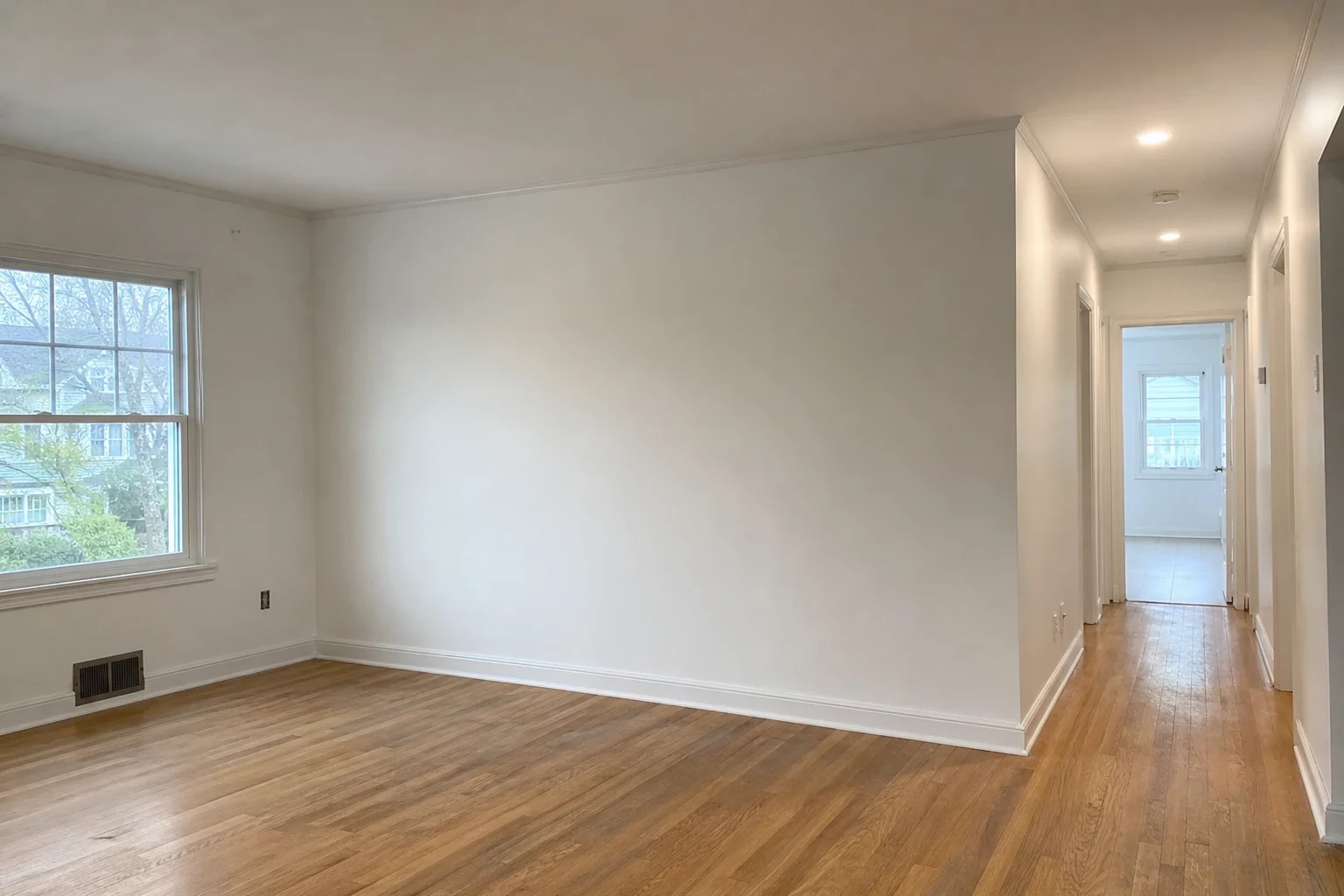
Smooth walls, one careful coat at a time
Describe the space and the kind of surface you are hoping for. On the call we explain how many coats and visits it will likely take, and what shapes your estimate.