ServicesSurface Preparation and Sanding
Surface Preparation and Sanding in Union City
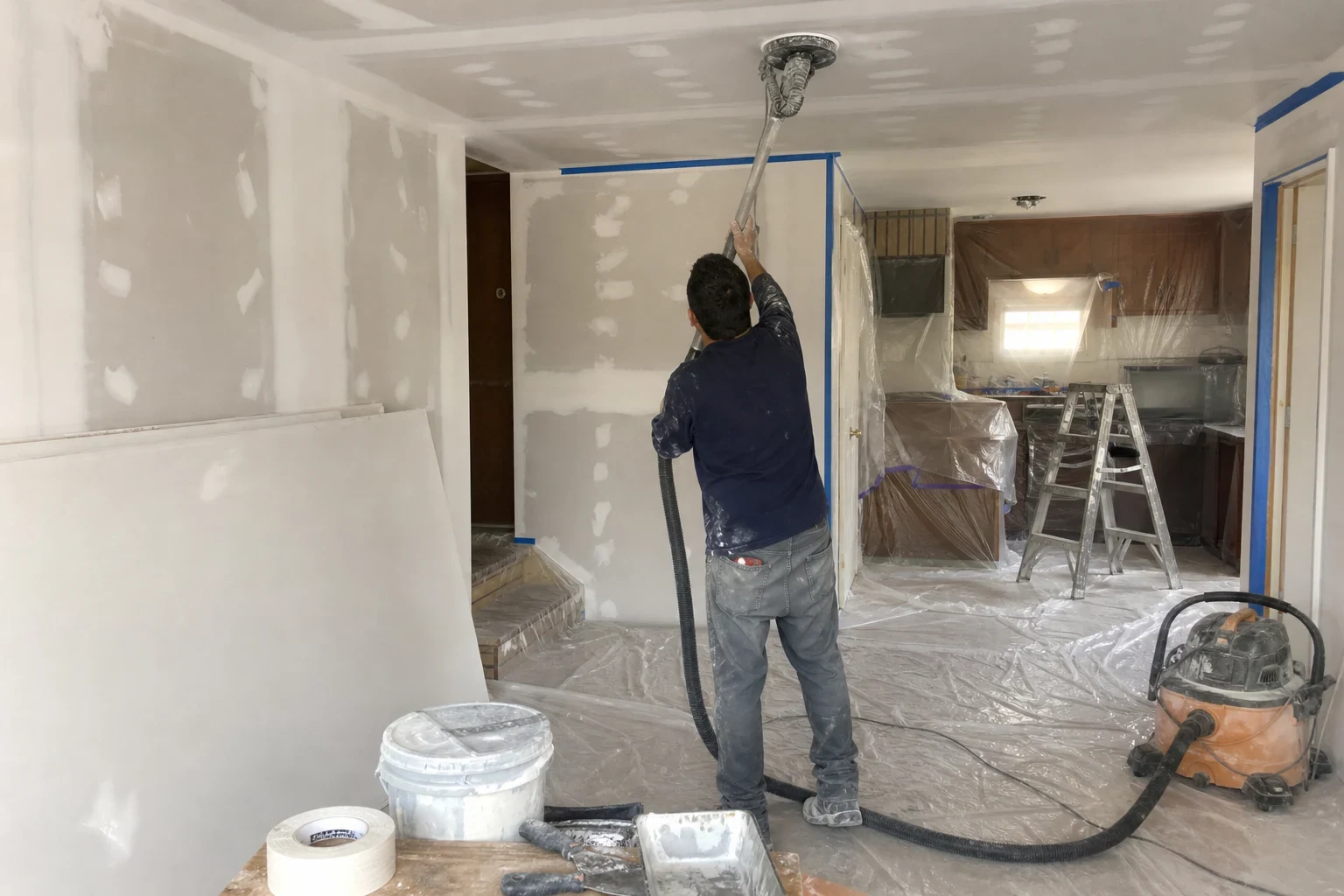
Paint only looks as good as the surface beneath it. We scrape, fill, spot-prime and sand the walls and ceilings in your home until they are flat and ready, with floors covered and dust kept in check from setup to cleanup.
What surface prep covers and when it pays off
Surface preparation is the slow, quiet work that comes before a finish coat. We find the dents, cracks, nail pops and old patch edges, fill them with the right compound, prime anything that would flash or bleed, then sand the whole surface so it reads as one flat plane.
It earns its keep before a fresh coat goes on walls worn down by years of living, when an earlier repair still catches the eye, or when slick old gloss paint needs a sound base so the new layer grips. Plenty of older walls around here carry decades of layered paint and small fixes, and careful prep is what lets them look new again.
We work the way we would in a neighbor's place: furniture moved and covered, floors protected, and a clean work area at the end of every day.
What the work includes
- Inspection with angled light
- Before any compound is mixed, we set a bright lamp close to the surface and aim it almost parallel to the wall. Ridges, dimples and tape edges throw shadows that are easy to miss in normal room light, so we know exactly where the work is.
- Scraping and filling
- Loose or flaking paint comes off first. Cracks, gouges, anchor holes and nail pops are filled with setting compound where depth calls for it and lightweight compound on top, so nothing shrinks back.
- Spot priming
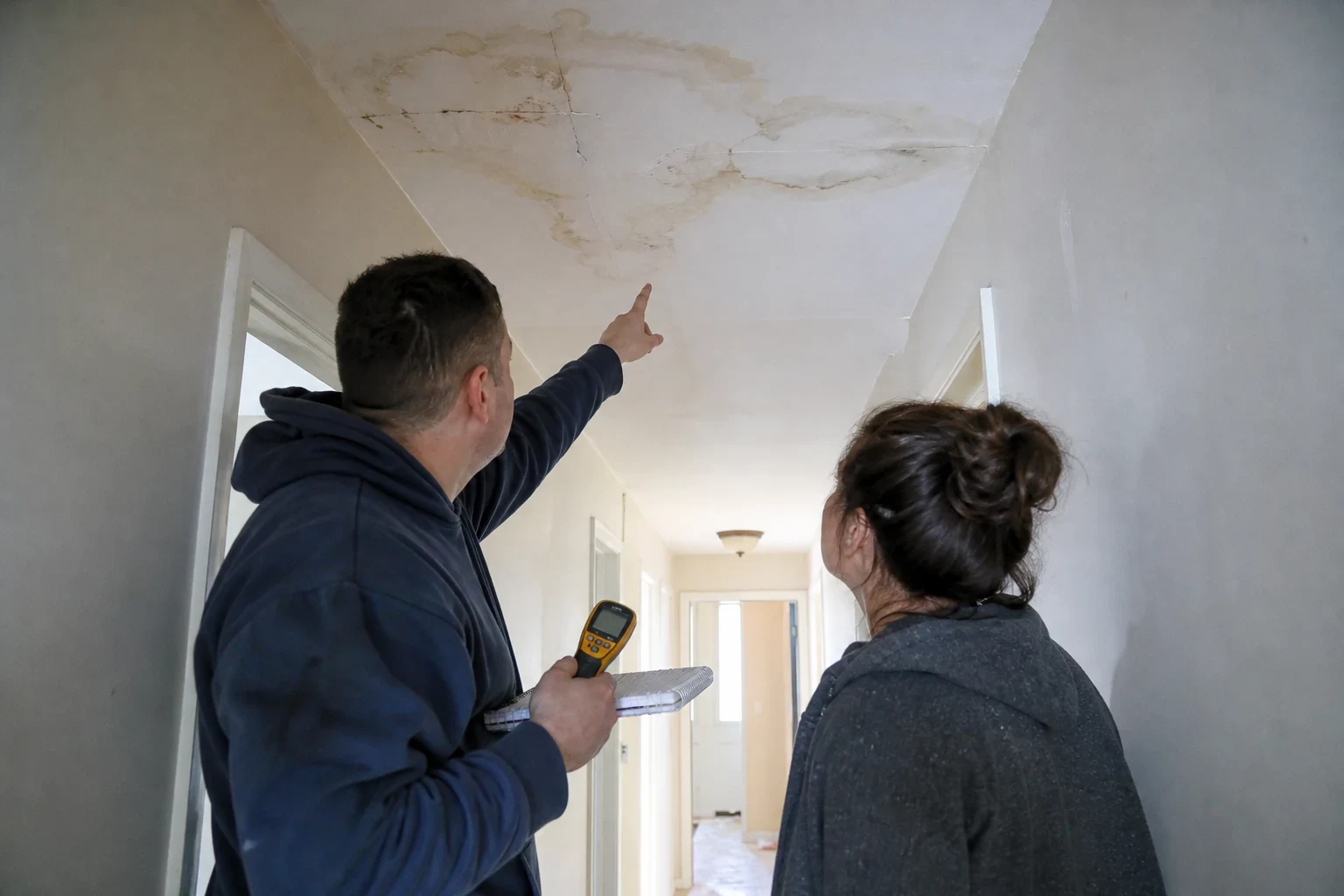
- Fresh compound and bare paper absorb paint differently from the wall around them. We prime repairs, and use a stain-blocking primer over old water marks so they do not ghost through later.
- Skim coating rough areas
- Where a wall is too uneven for spot filling, we apply a thin skim coat to bring the surface back to flat.
- Dust-controlled sanding
- We sand with fine-grit paper and vacuum-connected sanders where they suit the job, then hand-sand corners and edges. Most of the dust is captured at the wall instead of settling across your home.
- Wipe-down and cleanup
- Walls are wiped free of fine dust so primer and paint bond properly. Drop cloths come up, floors get vacuumed, and the room is left tidy.
Signs your walls need preparation first
Old patches still show
If you can see the outline of a past repair, especially when light hits the wall at an angle, the patch was never sanded and primed to blend.
Paint is peeling or bubbling
New paint over a failing coat will fail with it. The loose layer has to come off and the edges need feathering smooth.
Nail pops and small dimples
Fasteners that have backed out leave round bumps or craters. They need resetting, filling and sanding before a fresh coat.
Ridges along joints
Raised tape lines or crowned seams usually mean the joints were under-finished. A skim and careful sanding flattens them.
Stains that keep coming back
Old water marks or smoke stains bleed through ordinary paint. They need a stain-blocking primer first.
What shapes the price
Prep is priced on the real condition of your walls, not a flat rate per room. Once we have seen the space, you get a written quote that lists what we plan to do, so there are no surprises when the work is finished.
Area and ceiling height
More square footage takes more time. High rooms and stairwells call for taller ladders or a scaffold plank, and every time that setup moves, the hours add up.
Surface condition
A few nail holes is a short job. Widespread cracking, peeling paint or rough texture that needs a full skim coat is a much larger one.
Plaster or drywall
Older plaster walls often need bonding primers and more filling than drywall, which adds steps.
Level of smoothness
Walls headed for flat paint can hide minor flaws. Glossier finishes and strong side light demand a smoother surface and more sanding passes.
Access and furnishings
Rooms that are empty go faster than lived-in rooms full of furniture and belongings to move and cover.
How a prep job runs
- 1
A conversation by phone
You tell us about the rooms, the condition of the walls and what finish you are after. We ask a few questions and arrange a time to see the space and give you a clear quote.
- 2
Protecting the room
We move or cover furniture, lay drop cloths, and mask outlets, trim and fixtures. Doorways to other rooms can be sealed off with plastic when sanding is heavy.
- 3
Repair, fill and dry
Damaged areas are scraped and filled. Compound needs proper drying time between coats, so deeper repairs may take more than one visit.
- 4
Sand and check
We sand, then go back over every wall under the work light, refilling and resanding any spot that still shows.
- 5
Prime and clean up
Repairs are spot-primed, surfaces are wiped down, and the room is vacuumed and put back in order before we leave.
Common questions before we sand
Will sanding leave dust all over the house?
Sanding always makes a little fine powder, and our setup is built to contain it. Vacuum-connected sanders pull most of it off the wall as we work, plastic goes over doorways when the job calls for it, and floors and furniture stay covered. Before we leave, the walls are wiped and the room is vacuumed.
My building is old. Is it safe to sand the paint?
Homes built before 1978 may have lead paint under newer coats. We talk about testing before any sanding begins, and we do not dry-sand surfaces that may contain lead. Your family's health comes before speed.
Do you paint the walls afterward?
For small repaired areas we can handle paint touch-ups so the spot matches the rest of the wall. For whole rooms, we leave the walls filled, sanded and primed, ready for the next coat.
Can you prepare plaster walls as well as drywall?
Yes. Plaster often has hairline cracks and loose areas that need securing and filling, and it usually takes a bonding primer. We plan for those extra steps when we quote.
How long does surface prep take?
A single room in fair shape is often a day or two. Deep repairs and skim coats need drying time between coats, so larger or rougher jobs take longer, and we will tell you the expected timeline up front.
Ready for walls that take paint well
Tell us about the rooms and what has been bothering you about the walls. We will arrange a visit and explain what the surface needs.