ServicesPaint-Ready Walls
Paint-Ready Wall Prep in Union City
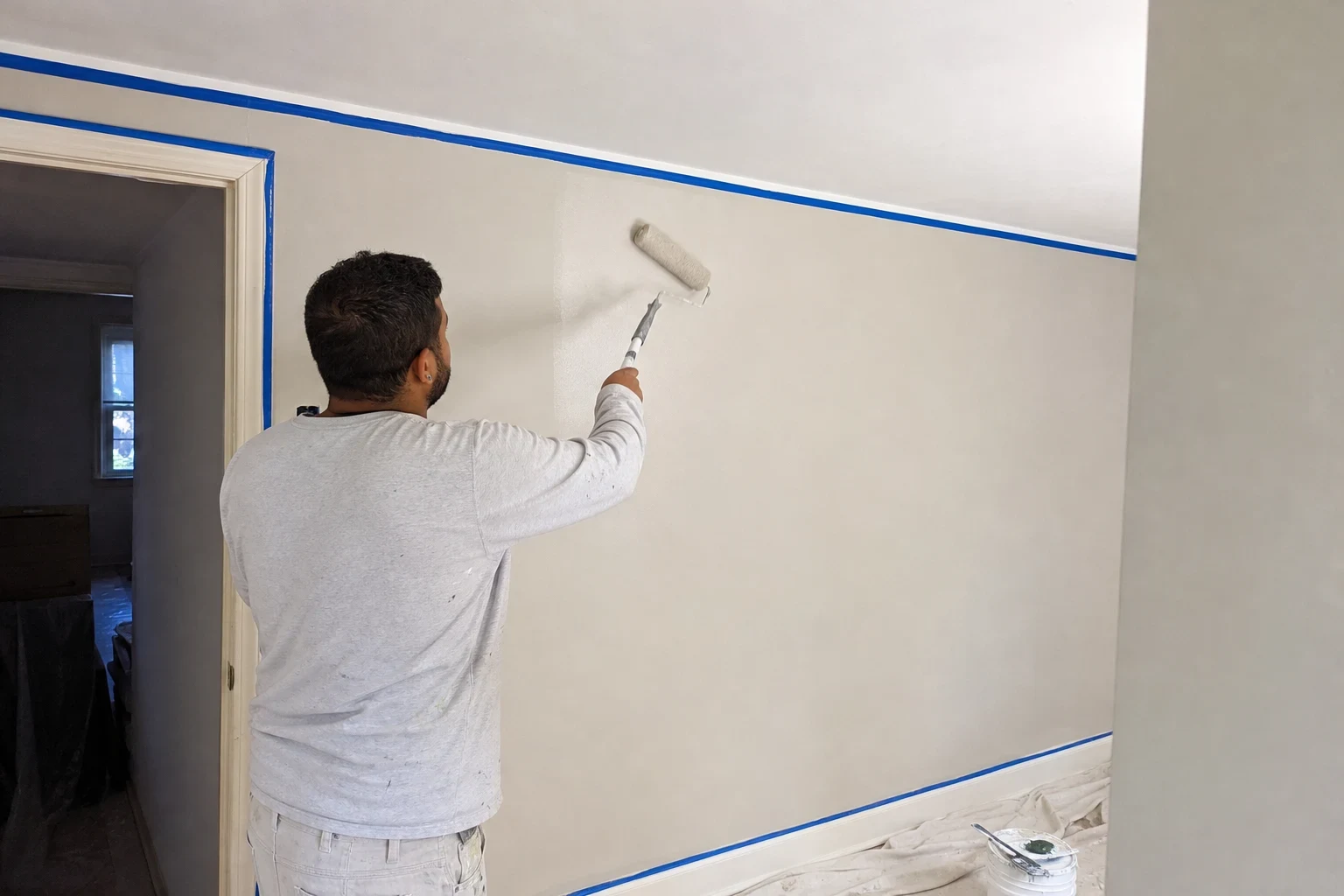
New paint shows every flaw in the wall behind it. We handle the drywall side of a repaint: patching, seam work, sanding and spot priming, so your walls are smooth and sound before the color goes on. You get a surface that takes paint evenly.
The Wall Matters More Than the Paint
A fresh coat is thin. It won't hide nail pops, a sagging seam or the outline of an old patch. Under raking light from a window, those flaws often look worse after painting than before, because a uniform color removes the variation that used to disguise them.
Our part of the job comes first. We repair and finish the drywall, sand it flat and spot-prime the repairs so they don't flash through the topcoat. We don't repaint whole rooms. We get the walls ready, then touch up paint over our own repairs where you want that.
We work in your home the way we'd want someone working in ours: floors covered, dust kept down, and the room left clean at the end of each day.
What Wall Preparation Includes
- A close look under raking light
- We hold a work light low along each wall to find dents, ridges and popped screws that are easy to miss in normal light. You see what we find before we start.
- Patching holes and dents
- Anchor holes, doorknob dents and old picture-hanging damage get filled or patched, depending on size. Larger openings get a backed drywall patch rather than a pile of compound.
- Seam and corner repair
- Cracked tape joints and dinged outside corners are cut back, re-taped or re-beaded, then feathered out so the repair blends into the wall plane.
- Texture matching
- Where a wall or ceiling has texture, we match it over the repair so the patch doesn't read as a smooth island once it's painted.
- Sanding with dust control
- We sand repairs flat and keep the work area contained, so fine dust stays off your furniture and out of the next room.
- Spot priming and paint touch-up
- Repaired areas get primer so they absorb paint like the rest of the wall. If you have the existing paint, we can do a paint touch-up over the repairs.
Signs Your Walls Need Work Before Repainting
Old patches you can still see
If a past repair shows as a raised square or a dull spot, it will show again under new paint unless it's sanded and reworked.
Little domes along the framing
Tiny raised circles spaced up and down a stud tell us the screws or nails underneath have worked loose. We set them back, refinish each spot and only then is the wall ready for paint.
Hairline cracks at corners and seams
Cracks above doors and windows or along tape joints tend to return through paint. We re-tape them properly so they stay closed.
Peeling or bubbled paper
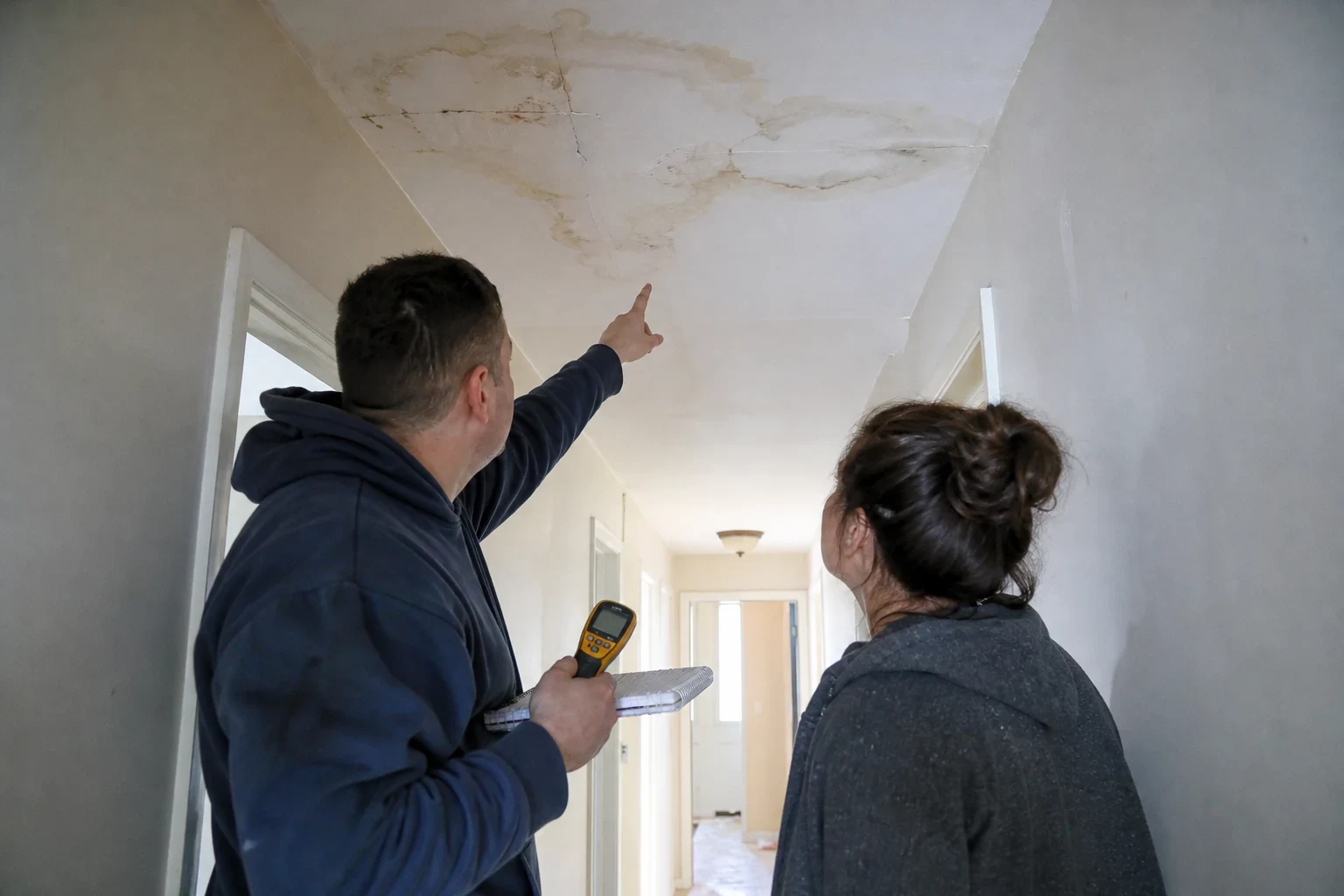
Torn drywall face paper soaks up primer and paint unevenly and blisters. It has to be sealed and skimmed first.
A wall that looks wavy in daylight
Uneven compound from earlier work shows as ridges when sun crosses the wall. A light skim coat and sanding brings it back to flat.
What Affects the Cost
Pricing depends on how much repair the walls need, not on the color you've picked. We walk the rooms with you and explain each item in writing, so you know what you're paying for before work begins.
Condition of the drywall
A few anchor holes is quick work. Cracked seams, torn paper or a wall that needs a full skim coat takes more material and more drying time.
How many rooms and walls
More square footage means more repair and more sanding, though doing several rooms in one visit is usually more efficient.
Ceilings and height
Ceiling repair and tall stairwell walls need ladders or staging and slow the work down.
Texture matching
Smooth walls are simplest. Matching an existing texture over repairs adds steps.
Furnished, occupied rooms
Rooms full of furniture take longer to protect and clear than empty ones.
How a Prep Day Runs
- 1
Walkthrough by phone, then in person
You tell us which rooms you're planning to repaint and what's bothering you. We look at the walls and explain what needs fixing and what can be left alone.
- 2
Protect the room
We cover floors, move or wrap furniture near the walls and seal off doorways where sanding will happen.
- 3
Repair and finish
Patches, seams and corners are built up in thin coats. Each coat dries before the next, which is why some jobs span more than one visit.
- 4
Sand, prime and clean
Repairs are sanded flat, checked again under the light and spot-primed. We vacuum and wipe down before we leave, so the room is ready for your painter or your own brush.
Common Questions Before a Repaint
Once the walls are fixed, will you put the new color on too?
That part isn't ours. We stick to the drywall: repairs, finishing, sanding and primer, with paint touch-ups only over spots we've repaired. Most people bring in their own painter after we leave, or pick up a roller and do it themselves.
Why can't my painter just fill the holes?
Small nail holes, sure. But cracked seams, popped screws and uneven old patches need proper drywall work, built up in coats and sanded flat. Skipping that is why repairs often show through a new coat.
How long before the walls can be painted?
Once we've sanded and spot-primed, the walls are ready for paint after the primer dries. We'll tell you the timing for your job at the end of our last visit.
How messy does the sanding get?
Sanding compound does throw off fine powder, so we plan for it from the start. Doorways get sealed with plastic, floors and furniture stay covered, and we vacuum and wipe surfaces down before leaving at the end of every visit.
Do you work outside Union City?
Yes. We also prepare walls for customers in nearby towns such as West New York, North Bergen and Weehawken. Ask when you call and we'll let you know.
Start With a Smooth, Sound Wall
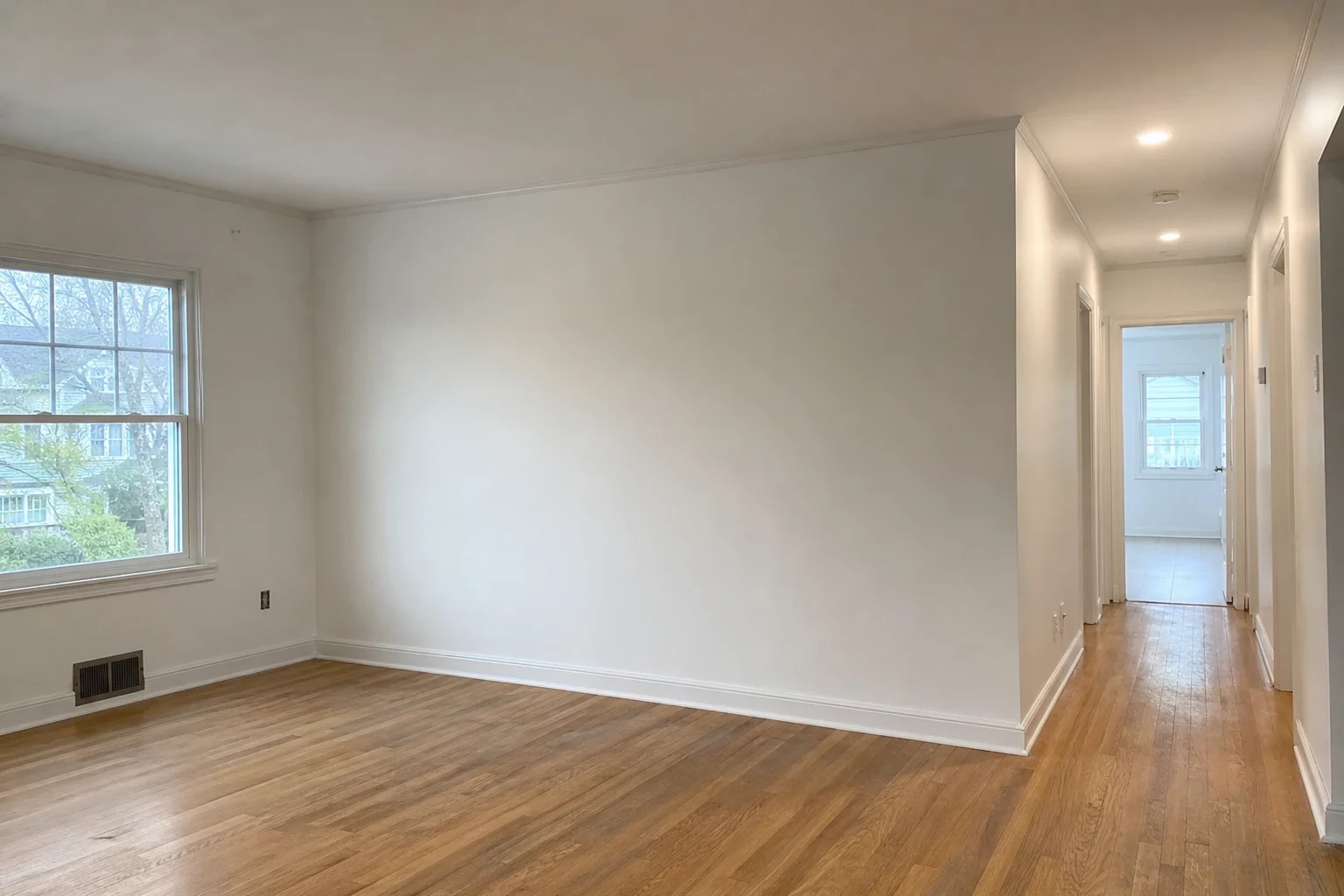
Let us know which rooms are getting new paint and anything you've spotted on the walls. We'll talk through the repairs involved and give you your quote by phone.